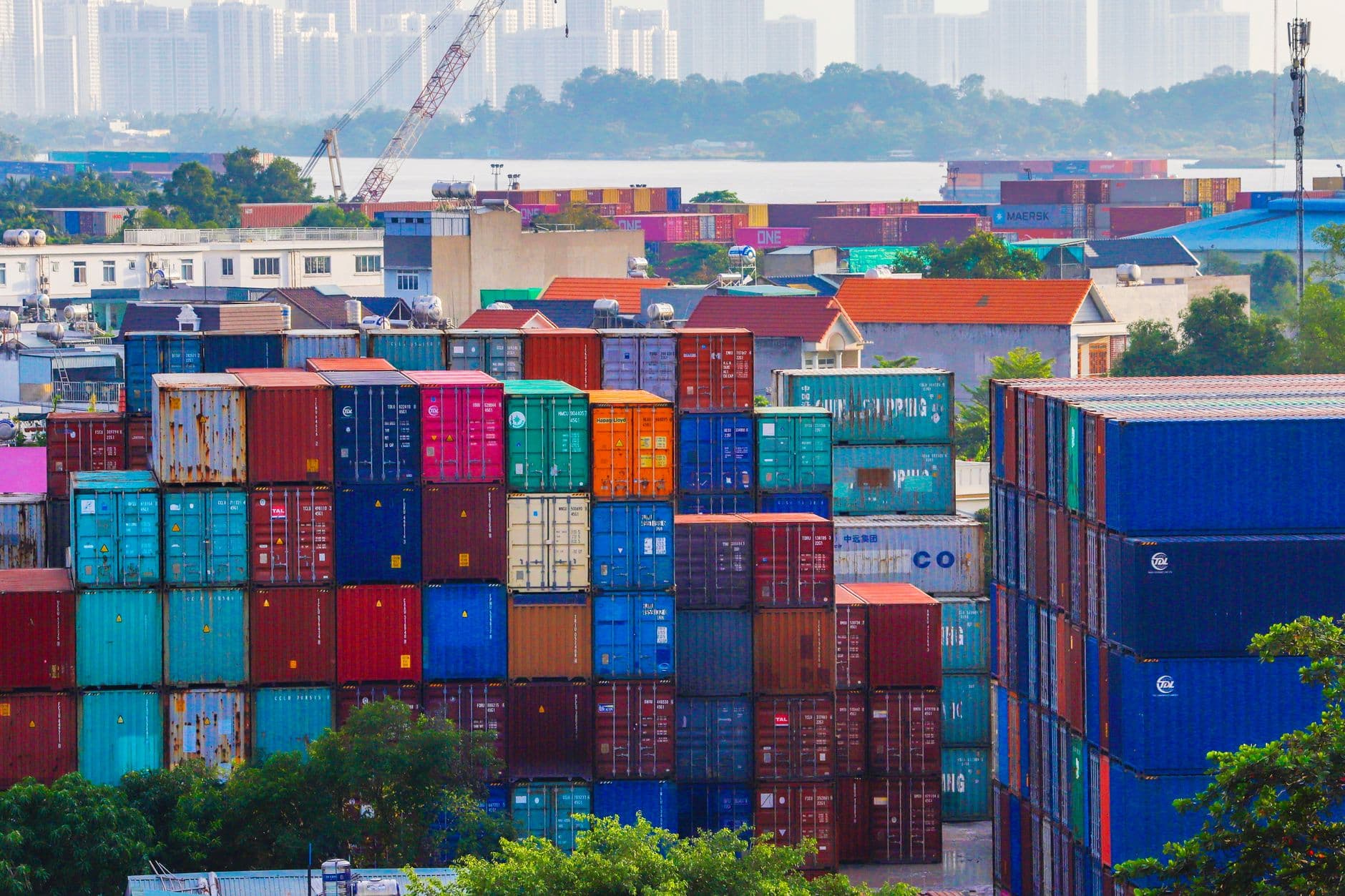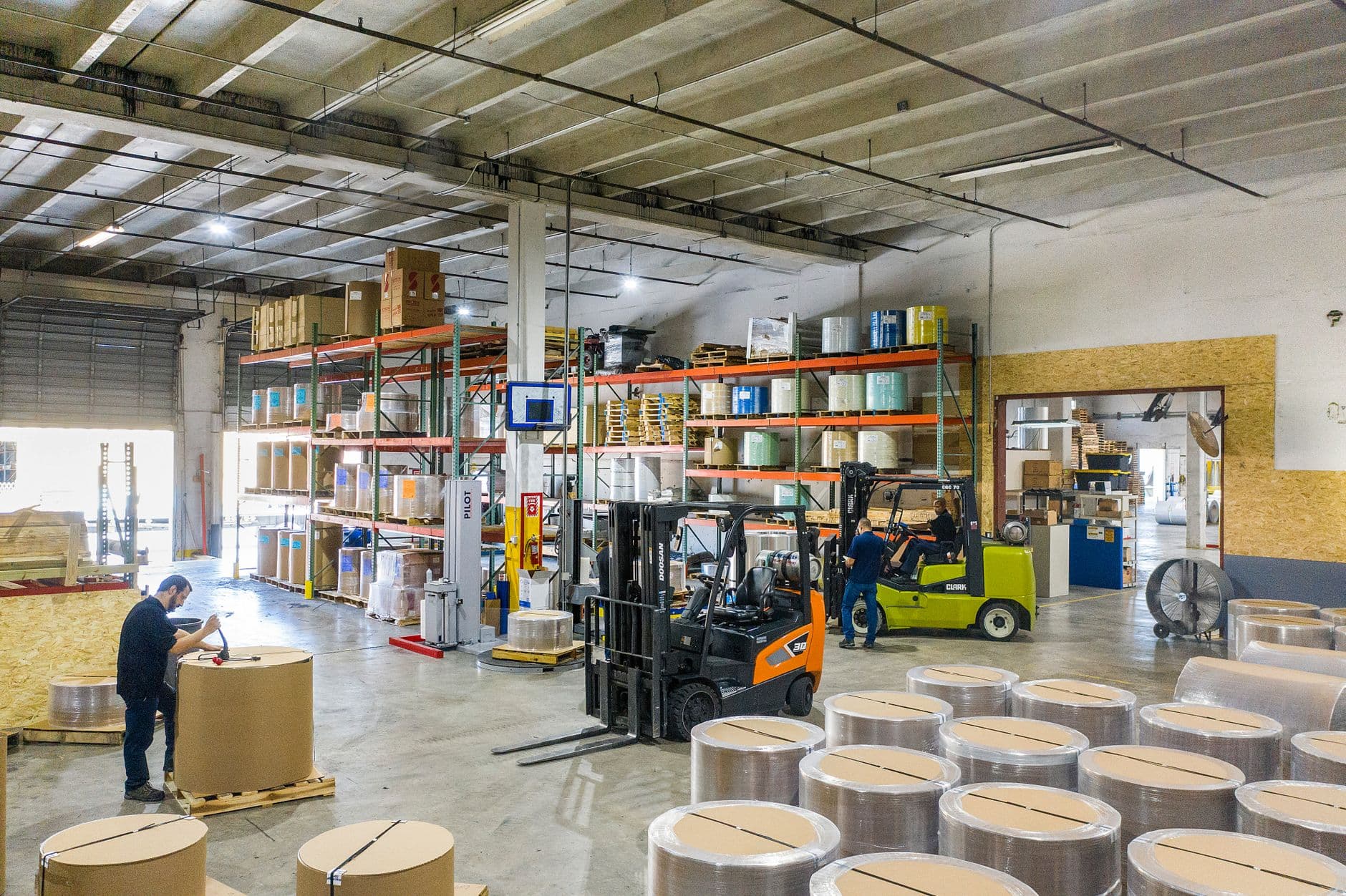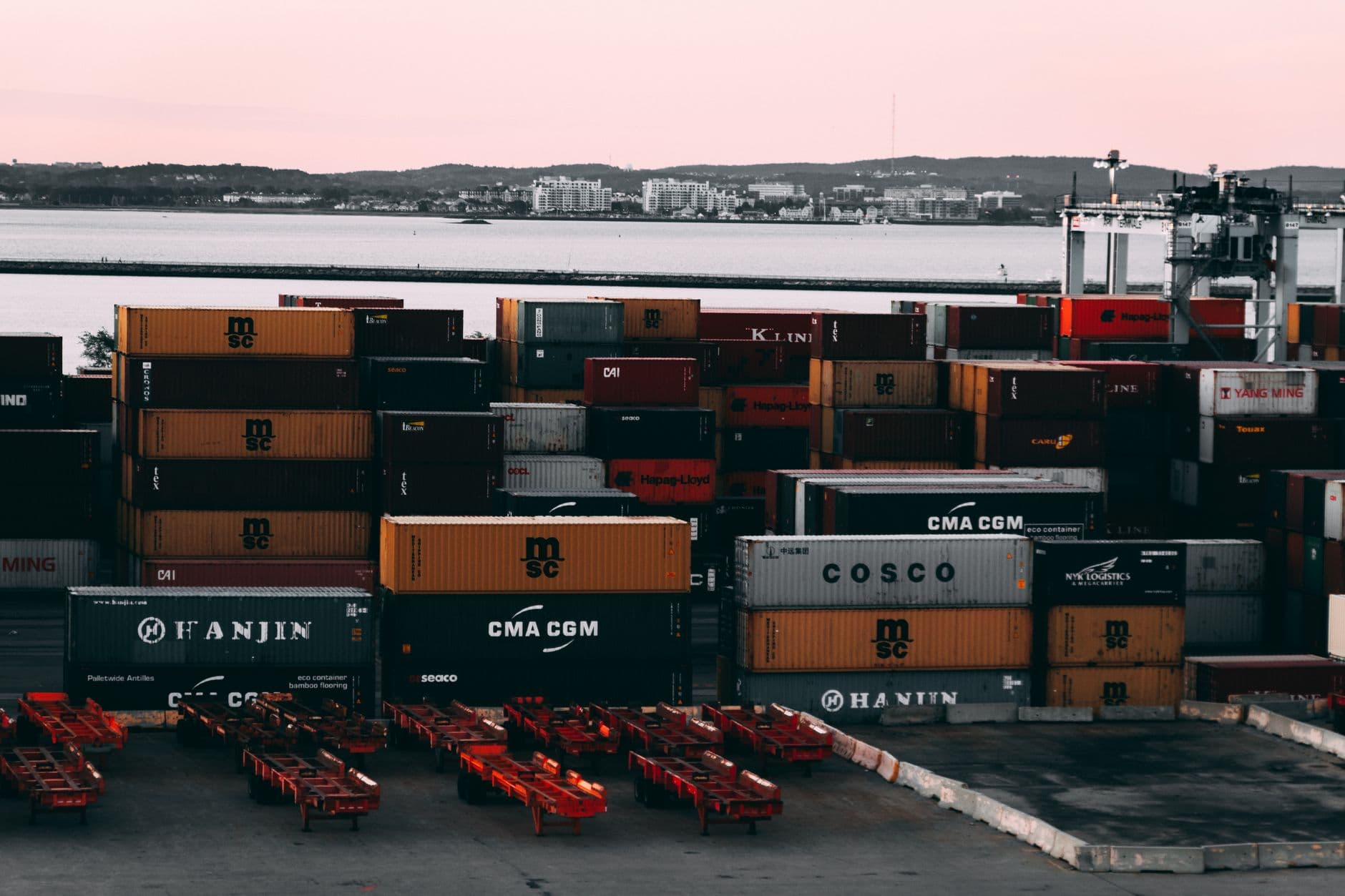
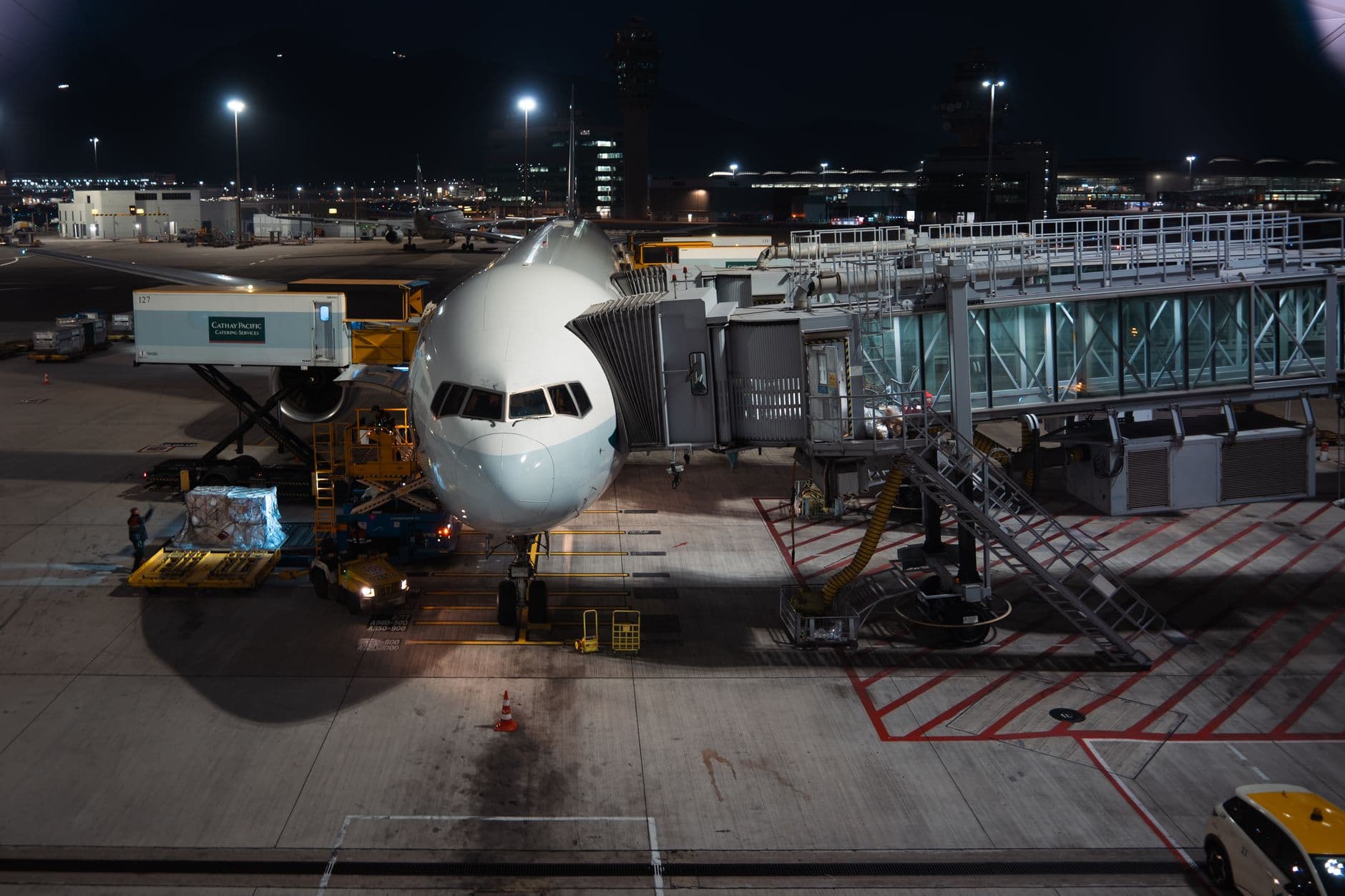
Air is fast and expensive. Sea is slow and cheap. Everyone knows this, and it is exactly why the decision gets made once, informally, and then never revisited — usually as a standing rule like "we always ship by sea" or "this customer always gets air".
The mode decision deserves better than a standing rule, because the inputs change constantly: rates move, product mixes change, and the cost of being late is different for every shipment. What follows is a framework you can run in a few minutes per consignment.
Step 1: find the real deadline
Start by separating the requested date from the consequential date. A requested date is when someone would like the goods. A consequential date is when their absence starts costing money — a production line stops, a promotion launches without stock, a tender closes, a contractual delivery window lapses.
Ocean transits are measured in weeks and air transits in days, so this one question resolves a large share of decisions immediately. If the consequential date is comfortably beyond a realistic ocean transit plus buffer, the rest of the analysis is a formality.
Step 2: understand how your cargo will be charged
This is where intuition fails most often, because the two modes measure your cargo differently.
Air: volumetric weight
Air freight is charged on the greater of actual gross weight and volumetric weight, which converts the shipment's dimensions into a notional weight using a standard divisor. General air cargo conventionally uses a divisor of 6,000 cubic centimetres per kilogram; express and courier services commonly use a smaller one, which penalises bulk more heavily.
The practical implication is a density threshold. With the standard air cargo divisor, cargo lighter than roughly 167 kg per cubic metre will be charged on its volume rather than its weight. Bulky, light products — packaging, foam, textiles, empty enclosures — are far more expensive to fly than their weight suggests. Dense products are comparatively cheap to fly.
Sea: containers or chargeable volume
Full container load is a flat rate for the box. Less than container load is charged on the greater of volume and weight using a different, much more volume-friendly ratio. Sea therefore forgives bulk in a way air does not.
Before comparing anything, ask your forwarder for the chargeable weight on the air option and the chargeable volume on the sea option, calculated from your actual packed dimensions. Comparing a per-kilo air rate against a per-cubic-metre sea rate without those numbers tells you nothing.
Step 3: price the cost of being late
This is the number most comparisons omit, and it is usually the one that decides the answer. For the specific shipment in front of you, estimate:
- Lost margin on sales you cannot fulfil, including orders that are cancelled rather than delayed.
- Downtime cost if the goods feed a production line or an installation crew.
- Contractual exposure — penalties, chargebacks or delivery-window fines from a retail customer.
- Recovery cost — the emergency air shipment you will pay for anyway if the sea shipment misses.
- Relationship cost, which is real even though it does not appear on an invoice.
Where the difference between air and sea is smaller than the cost of a single missed window, air is not a premium. It is insurance you have already decided to buy.
The expensive shipment is rarely the one you flew. It is the one you shipped by sea, missed the window with, and then flew anyway.
Step 4: add the inventory and cash cost to the sea option
Ocean freight is cheaper per unit and more expensive in working capital. A longer transit means more stock in transit, more safety stock held to cover the longer lead time, and a longer gap between paying your supplier and selling the goods.
For high-value or fast-moving goods, the financing and storage cost of that additional inventory can meaningfully close the gap between the two modes. For low-value goods with stable demand, it rarely does. Run it for your own product rather than assuming — the answer differs sharply by category, and it changes when interest rates or your product's value density change.
Step 5: check the product constraints
Some cargo simply cannot take the mode you would prefer, and finding this out after booking is a costly way to learn it.
- Lithium batteries — including batteries installed in or packed with equipment — face detailed restrictions by air, with different rules depending on cell type, state of charge and whether they travel with the device.
- Aerosols, flammables, magnets and other dangerous goods are subject to stricter limits by air than by sea, and some are prohibited on passenger aircraft even where a freighter would accept them.
- Perishables and pharmaceuticals need active or passive temperature control on either mode, and the equipment and handling requirements differ substantially between them.
- Oversized and heavy pieces may exceed aircraft door or floor-loading limits long before they trouble a container.
Declare dangerous goods properly and early. An undeclared hazard discovered at an airport does not delay a shipment — it stops it, and creates a compliance problem that outlives the consignment.
Step 6: consider not choosing
The binary is a habit, not a requirement. Two hybrids solve a large share of hard cases:
- Split the shipment. Fly the quantity that covers you until the sea shipment lands, and ship the balance by ocean. You pay the air premium on a fraction of the order rather than all of it.
- Sea-air routing. Move ocean to an intermediate hub, then fly the final leg. It sits between the two on both cost and transit time and is worth asking about on long lanes where the schedule is tight but not critical.
Running it in practice
Decide per shipment, not per company. A useful pattern for repeat flows is to set a default mode by product family — dense, high-value, deadline-sensitive items default to air; bulky, stable, low-value items default to sea — and then re-check the default whenever the rate environment moves, a product's packaging changes, or a customer's delivery terms change.
If you send us the packed dimensions, weights, origin, destination and the date the goods actually have to be there, we will quote both modes on the same scope and show the chargeable weight and volume behind each, so the comparison is a real one.
Logistics Solutions Operations Desk
Freight forwarding & multimodal planning
This article is general guidance, not advice on a specific shipment. Rules, rates and requirements vary by lane, commodity and country — confirm the details for your consignment with your forwarder or customs broker before you act on them.