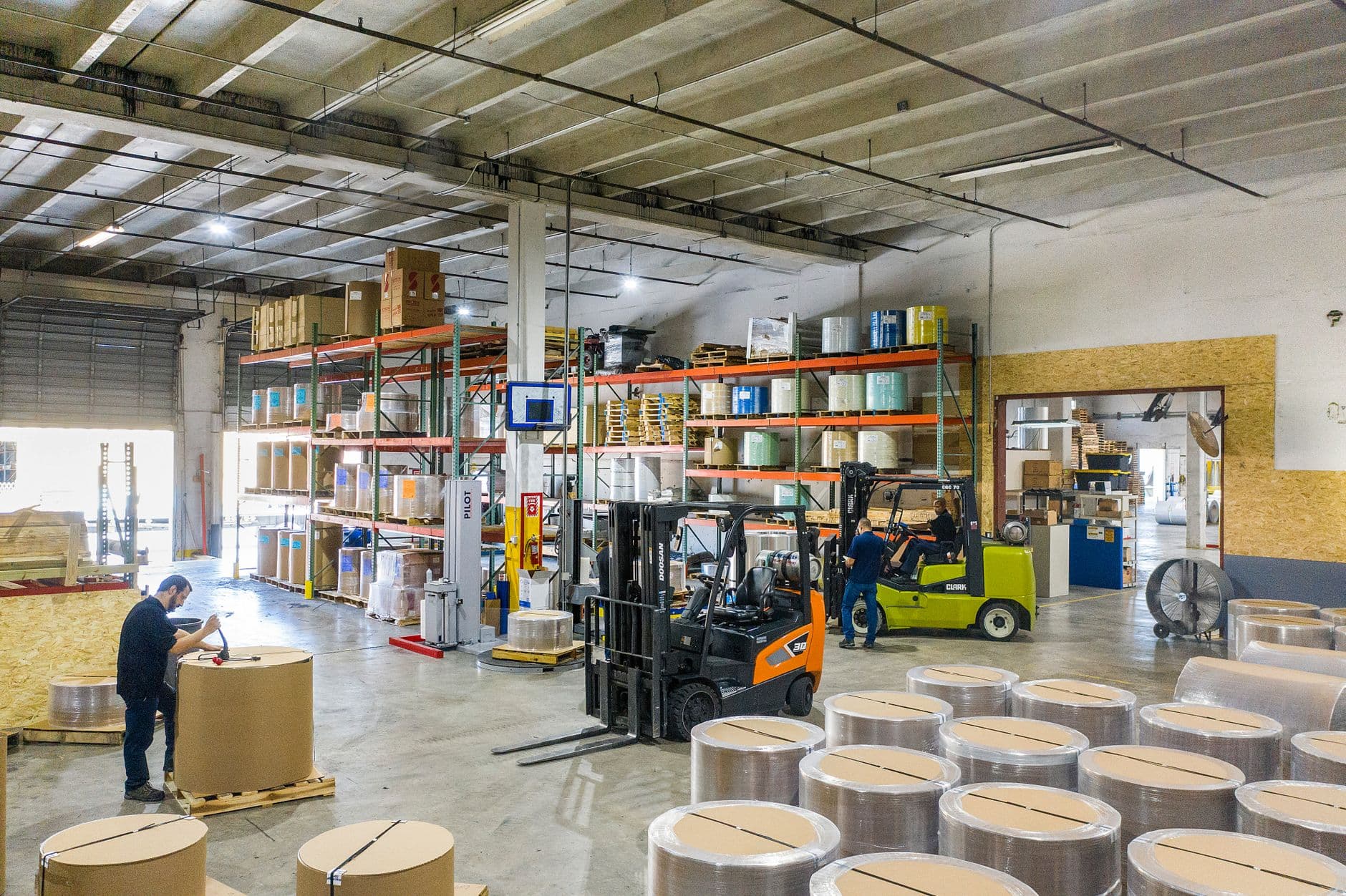
Cargo damage is rarely caused by one dramatic event. It is caused by an ordinary journey: a pallet lifted and set down a dozen times, a container that heats and cools every day at sea, vibration for weeks, and a stack of other people's freight on top. Packaging that survives a domestic truck run is not automatically packaging that survives that.
This is what preparing cargo properly involves, from packing bench to sealed container.
Pack for the journey, not the shelf
Retail packaging is designed to look good and survive a short, gentle trip. Export packaging has a different job: protect the goods through repeated handling, compressive stacking, vibration, humidity swings and temperature cycling.
- Use export-grade cartons. Double-wall corrugate for heavier or stacked goods, with a board specification appropriate to the load rather than whatever is on the shelf.
- Fill the voids. Cargo that can move inside its box will move, for weeks.
- Protect corners and edges — these take the impact first and are what fails first.
- Standardise carton sizes within a shipment where you can. Mixed sizes stack badly and stack badly means crush damage.
Manage moisture deliberately
A steel container crossing climate zones goes through a daily heating and cooling cycle. Moisture in the cargo, the packaging or the pallets condenses on the container roof and walls and drips back onto the goods — often called container rain. It is one of the most common causes of ocean cargo damage and one of the easiest to design out.
- Use desiccants sized for the container volume and the expected transit.
- Use VCI film or paper for bare or machined metal, which corrodes readily in humid air.
- Use moisture barrier bags for electronics and moisture-sensitive assemblies.
- Never load damp pallets or damp cartons. Wood that is wet at loading releases that water into the container for the whole voyage.
Palletise so the cargo can be handled
A well-built pallet is faster to load, safer to stack and much less likely to be damaged in handling.
- Do not overhang. Cartons that hang over the pallet edge lose a large share of their stacking strength and are the first thing a forklift catches.
- Build a stable stack — column-stack for compressive strength where the cartons allow it, interlock only where you need the extra stability and can accept the strength penalty.
- Stretch wrap down to the pallet deck so the load and the pallet become one unit, and add corner boards and strapping for heavier loads.
- Keep pallets within sensible height and weight limits for the equipment at both ends, and make sure the top surface is flat enough to take the pallet above it.
Mark and label so nobody has to guess
Marks are how your cargo gets found — by a warehouse operative, by a consolidator separating five shippers' goods, and by a customs officer who wants carton 14 of 60 without unloading the other 59.
- Shipping marks on at least two sides: consignee, destination, order or reference number, and carton x of y.
- Handling pictograms — fragile, this way up, keep dry, sling here — using the standard symbols rather than hand-written notes in one language.
- Gross and net weight on each package where practical.
- Dangerous goods marks and labels where they apply, correctly applied and matched to the declaration.
- Remove old labels and marks. Nothing causes misrouting faster than a carton wearing two addresses.
Get the weights and dimensions right
Weights and dimensions decide the freight charge, whether a load is legal on the road and whether a container can be safely stowed. Measure the packed, palletised, wrapped dimensions rather than the product dimensions, and weigh the finished pallet rather than adding up carton weights. Under-declared figures come back as re-weigh charges and corrected invoices.
For packed ocean containers there is also a formal obligation on the shipper to declare a verified gross mass before the container can be loaded aboard the vessel. Your forwarder will tell you what they need and when; the important part is that the figure has to be verified rather than estimated.
Load the container properly
If you are loading your own container, a few disciplines prevent most of what goes wrong:
- Inspect the empty box first. Check for holes — close the doors and look for daylight — plus odours, residues, damaged floors and working door seals. Refuse a box that is not fit for your cargo. It is far cheaper than a claim.
- Distribute weight evenly front to back and side to side, and keep heavy items low. A badly balanced container is dangerous on the road and can be refused at the terminal.
- Block and brace. Use dunnage bags, void fillers and lashing so nothing can shift. Empty space in a container is a hazard, not spare capacity.
- Load in a retrievable order. If customs wants a specific carton, being able to reach it without stripping the whole container saves hours.
- Photograph the load at intervals and again with the doors closed before sealing. Photos settle claims that words cannot.
- Seal with a high-security bolt seal and record the seal number on the shipping documents. A mismatched or missing seal number is an immediate red flag.
Prepare the document set at the same time
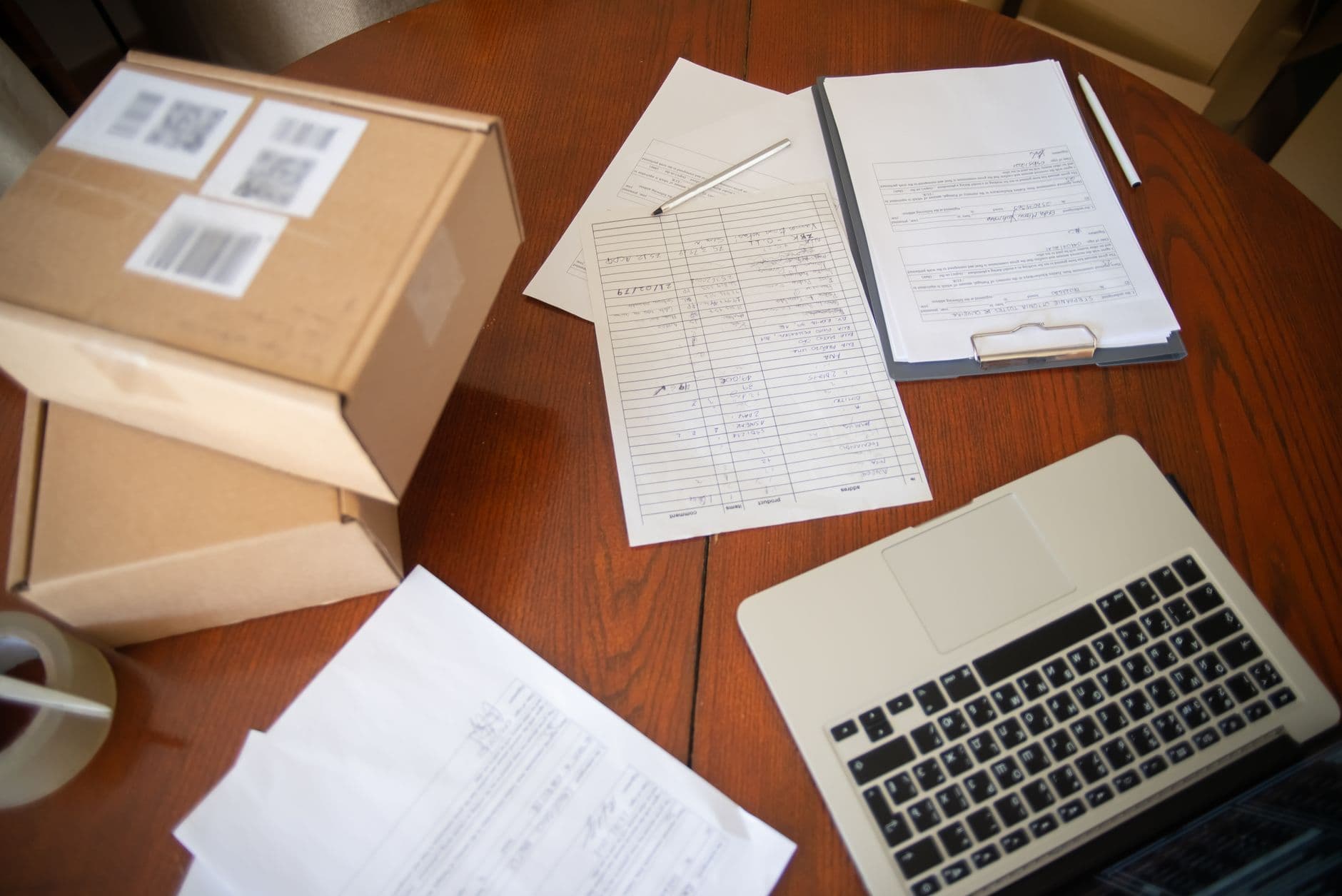
The document pack should be produced from the same source data as the physical shipment, not reconstructed afterwards from memory. At minimum:
- Commercial invoice — full goods descriptions, quantities, unit and total values, currency, country of origin and the agreed Incoterm.
- Packing list — packages, dimensions, gross and net weights, and carton numbering that matches the marks on the boxes.
- Transport document — bill of lading or air waybill, with consignee and notify party details confirmed as correct.
- Certificate of origin where you are claiming a preferential duty rate.
- Product certificates — phytosanitary, health, conformity or test certificates as the commodity requires.
- Dangerous goods declaration and safety data sheet where applicable.
- Insurance certificate if the cargo is insured under your own policy.
Agree the Incoterm before you agree the price
The Incoterm defines who arranges carriage, who pays which costs, where risk transfers from seller to buyer, and who handles export and import formalities. The current edition is Incoterms 2020, and the rule should always be stated with a named place — an Incoterm without one is incomplete.
The point people miss most often is that the cost transfer point and the risk transfer point are not always the same. Under some rules you pay for carriage to a destination while risk has already passed to the buyer at origin. Know which rule you are using, and what it actually says, before the goods move.
A quick pre-dispatch check
- Cartons are export grade, voids filled, corners protected.
- Moisture protection in place and nothing loaded damp.
- Pallets built without overhang, wrapped to the deck, wood treated and marked.
- Marks and handling symbols on at least two sides, old labels removed.
- Packed dimensions and verified weights measured, not estimated.
- Container inspected, loaded, braced, photographed and sealed with the number recorded.
- Document set complete and reconciled against the physical shipment.
- Incoterm agreed with a named place, and insurance arranged if required.
Most of this costs very little at the packing bench and is expensive to fix once the goods are on the water. If you would like a second pair of eyes on your packing specification or your document pack before your next shipment, send it over — we would rather review it now than assess a claim later.
Logistics Solutions Operations Desk
Freight forwarding & multimodal planning
This article is general guidance, not advice on a specific shipment. Rules, rates and requirements vary by lane, commodity and country — confirm the details for your consignment with your forwarder or customs broker before you act on them.